Wilson Dynapwr Irons: 2025 Game-Improvement Review
August 4, 2026
Wilson Dynapwr Irons were designed as a comprehensive solution for mid-to-high handicappers who struggled with consistency and distance. Released as part of a 2025 product line, these clubs aimed to bridge the gap between a traditional player’s iron and a super game-improvement tool. By focusing on forgiveness and ball speed, Wilson created a lineup that catered to golfers who wanted to spend less time in the rough and more time hitting greens. The family included the standard Dynapwr game-improvement irons, the Dynapwr Max super game-improvement irons, and the Dynapwr Forged options, ensuring that players with varying skill levels could find a fit within the same technological ecosystem here.
The Technology Behind Wilson Dynapwr Irons
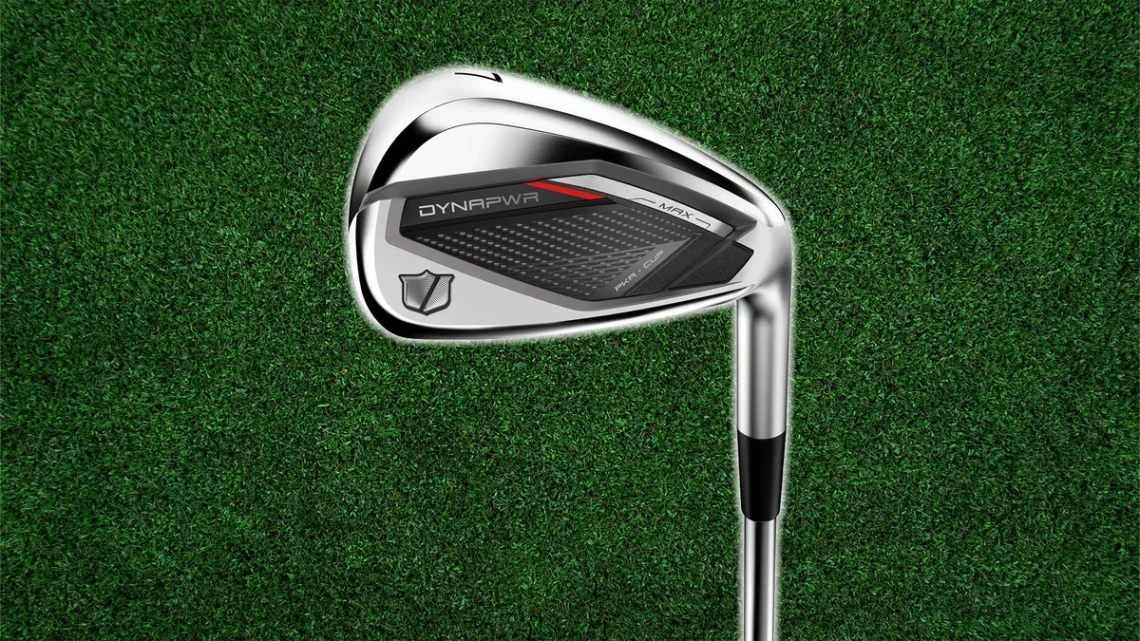
To achieve the promised distance and stability, Wilson integrated several high-tech features into the Wilson Dynapwr Irons. At the heart of the design was the PKR-Cup technology. This system combined a traditional cup face with AI-generated Variable Face Technology, which worked to optimize ball speed and widen the launch windows across the face. This meant that off-center hits were less punishing, maintaining a higher percentage of the ball’s initial velocity here.
Further enhancing the speed was the Velocity Optimization Channel. This specific design element was engineered to increase face flex, which effectively boosted ball speeds on a wider variety of strike locations. To keep the head stable during these high-velocity impacts, Wilson added an Energy Transfer Chassis on the back of the clubhead. This supportive frame acted as a stabilizer, preventing the head from twisting on mishits and ensuring that the energy was transferred directly into the ball rather than being lost to vibration or head torsion here.
Comparing the Standard Model and Dynapwr Max
While both models shared the same core DNA, the Wilson Dynapwr Irons offered two distinct paths depending on the player’s needs. The standard Dynapwr model featured a hollow-body design. This construction was tailored for a mid-launch and mid-spin profile, making it a versatile choice for the widest range of golfers. It provided a balance of forgiveness and control that appealed to those who were improving their game but still wanted a relatively compact look.
In contrast, the Dynapwr Max was built for those who required maximum assistance. This model featured a larger package and utilized Open Heel Construction. By pushing more mass toward the toe, Wilson moved the center of gravity (CG) closer to the geometric center of the clubhead. This resulted in a high-launch, mid-spin characteristic with weaker lofts to help the ball get airborne more easily. For the golfer who struggled with consistency, the Max provided the ultimate safety net in terms of forgiveness here.
On-Course Performance and Player Impressions
Real-world testing provided a clear picture of how the Wilson Dynapwr Irons performed under pressure. During evaluations at Foresight HQ using a GCQuad launch monitor and Taylor Made TP5x balls, the results were consistently positive here. Player tester Carolyn Petersen highlighted the even weight distribution and the consistency of the numbers produced. She specifically noted that the clubs were easy to swing and offered the softest feel at impact among the tested options here.
Will Prue, an 18.4-handicap golfer, also shared his enthusiasm, stating that the clubs had an appealing look at address and felt great with a smooth swing. His verdict was simple: “I’d buy this club” here. One of the most beneficial aspects for the average amateur was the slight draw bias. This design choice helped golfers who typically struggle with a slice to keep the ball on a more neutral or slightly curving path toward the target, reducing the number of errant shots that end up in the woods here.
Aesthetic and Build Quality
Visually, the Wilson Dynapwr Irons struck a balance between modern utility and classic style. They featured a medium-thickness topline, which provided confidence without looking overly bulky. The back of the clubhead utilized a combination of chrome and a plastic panel, giving it a clean, contemporary appearance. While there was a noticeable amount of offset to help with squaring the face, it was not extreme enough to alienate better players here.
At address, the clubs looked stable and inviting. The combination of the hollow-body construction and the Energy Transfer Chassis gave the clubs a solid feel that translated into confidence during the takeaway. The build quality reflected Wilson’s commitment to providing a high-performance tool that did not look like a “beginner’s club,” making them a proud addition to any golf bag.
Value Comparison and Market Positioning
One of the strongest selling points for the Wilson Dynapwr Irons was their aggressive pricing. Through Fairway Jockey, these irons were priced at $129 per club, offering a significant value proposition compared to the premium pricing often found from larger competitors here. In the UK market, the 2025 irons were listed at £699.00, further cementing their position as a high-value alternative for the budget-conscious golfer here.
When considering where these clubs would perform best, their forgiveness makes them ideal for challenging environments. For instance, if you were embarking on a 7-Day Oregon Coast Golf Trail, the extra stability of the Dynapwr line would be a massive asset when facing the unpredictable winds and rugged terrain found between Bandon Dunes and Sunriver. Similarly, the distance boost provided by the PKR-Cup technology would be helpful when navigating the sprawling layouts of a Bandon Dunes Golf Trip, where long carries are often required to reach the greens.
Final Verdict: Who Should Have Bought the Wilson Dynapwr Irons?
Looking back at the 2025 data, the Wilson Dynapwr Irons were a triumph of value and engineering. They successfully delivered on the promise of distance and forgiveness without sacrificing too much in the way of feel or aesthetics.
- Pros: Exceptional value for the price, high ball speeds due to PKR-Cup tech, soft feel at impact, and a helpful draw bias for slicers.
- Cons: The look may be too chunky for low-handicap purists, and the draw bias might be too aggressive for players who already struggle with a hook.
The ideal buyer for this set was the mid-to-high handicapper who wanted a reliable, long-hitting set of irons without spending a premium. Whether it was the standard hollow-body model for a balanced game or the Dynapwr Max for those needing maximum help, these clubs provided a legitimate path to lower scores. For the golfer who valued performance and price equally, the Wilson Dynapwr Irons were a top-tier choice in the game-improvement category.
Sources
For more information and the most current schedules, please visit the official festival resources: