Kiawah Island Golf Trip – Atlantic’s Coastal Masterpiece
Published September 2, 2026
A Kiawah Island Golf Trip featured five distinct courses, including the world-renowned Ocean Course designed by Pete Dye. Visitors accessed the barrier island via Charleston International Airport and enjoyed a mix of championship golf and coastal amenities.
Kiawah Island Golf Trip — Kiawah Island, South Carolina
The Kiawah Island Golf Trip was a journey into one of the most visually stunning coastal landscapes in the United States. Located on a barrier island just a few miles from the historic charm of Charleston, this destination served as a sanctuary for golfers who wanted to test their skills against the Atlantic breeze. The combination of pristine white sands, towering dunes, and world-class architecture made it a permanent fixture on any serious golfer’s bucket list.
This article explains how Kiawah Island Golf Trip works in Oregon and what readers should know next.
The Allure of a Kiawah Island Golf Trip
Visiting this South Carolina gem offered more than just a round of golf; it provided an immersive experience in coastal luxury. The island’s geography, characterized by its position as a barrier island, created a unique microclimate and a dramatic backdrop for every shot. For those of us at JGolfs, based in Oregon, the shift to the Atlantic coast provided a refreshing contrast to the Pacific Northwest landscapes we typically cover.
The draw of a Kiawah Island Golf Trip lay in the prestige of the resort and the sheer variety of the terrain. From the dense maritime forests to the open, windswept dunes, the environment challenged every aspect of a player’s game. Whether it was the strategic placement of hazards or the unpredictable ocean winds, the island demanded precision and patience.
The Crown Jewel: The Ocean Course
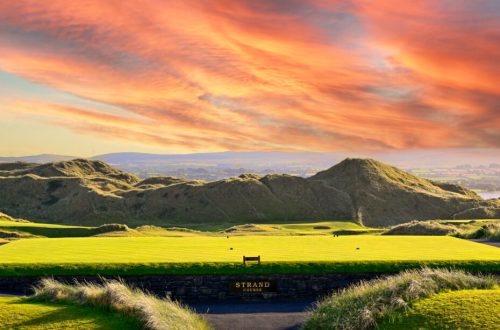
No Kiawah Island Golf Trip was complete without tackling the Ocean Course. Designed by the legendary Pete Dye and opened in 1991, this course became an instant icon in the golf world. It earned a prestigious ranking as #4 on Golf Week’s list of Public Golf Courses in the U.S. and sat at 25th among the 100 Greatest U.S. golf courses.
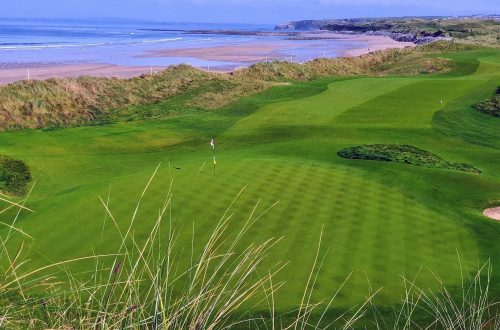
The layout was a masterclass in dramatic design. With oceanfront views on nearly every hole and significant elevation changes, the course felt like a battle between the golfer and the elements. The history of the venue added to the intensity, as it hosted the 1991 Ryder Cup Matches, the 1997 and 2003 World Cup of Golf, and the Senior PGA Championship in 2007.
Playing here required a specific mental approach. The wide fairways often masked the danger of the surrounding rough and bunkers. For players struggling with consistency, applying techniques like Hitting Out of Thick Rough was essential to surviving the Dye-designed hazards. The experience was as much about survival as it was about scoring, making every par feel like a victory.
Exploring the Other Kiawah Island Golf Trip Courses
While the Ocean Course grabbed the headlines, a full Kiawah Island Golf Trip allowed for the exploration of four other exceptional layouts. Each offered a different personality and architectural philosophy, ensuring that no two days of golf felt the same.
- Osprey Point: Located at 700 Governors Dr, this course provided a different coastal challenge with its own unique routing and scenic vistas.
- Turtle Point: Known for its challenging design, this course tested the nerves of even the most seasoned players.
- Oak Point: Situated at 4394 Hope Plantation Drive on Johns Island, this layout offered a more secluded experience away from the main resort hub.
- Cougar Point: Located at 1 Sanctuary Beach Dr, this course served as a fantastic introduction to the island’s style of play.
The resort boasted an incredible roster of architects. Beyond Pete Dye, the fairways were shaped by the minds of Jack Nicklaus, Tom Fazio, Gary Player, and Clyde Johnston. This variety meant that golfers could experience different eras and styles of championship design within a single trip. Comparing these to other legendary regions, such as the North Carolina’s Sandhills, highlighted the distinct difference between the pine-heavy inland courses and the salt-sprayed coastal links of Kiawah.
Logistics and Budgeting for the Atlantic Coast
Organizing a Kiawah Island Golf Trip required careful planning, particularly regarding transportation and costs. Most travelers flew into Charleston International Airport (CHS), which was approximately a 45-minute drive from the resort. This proximity to a major city allowed for easy transitions from the airport to the first tee.
Budgeting for the experience varied significantly based on the level of luxury and the number of rounds played. Based on 2026 data, the costs were broken down as follows:
- Group Packages: A 3-night, 3-round trip typically ranged from $1,500 to $3,500 per person, which usually included a round on the Ocean Course.
- Ocean Course Green Fees: These were the most expensive, typically landing between $400 and $600 depending on the season.
- Other Resort Courses: Rounds on the remaining four courses were more accessible, generally costing between $150 and $300.
For those focusing on equipment, the walking-heavy nature of these courses made footwear a priority. High-stability options, such as those discussed in our Foot Joy Pro/SL Carbon Golf Shoes Review, were highly recommended for navigating the undulating terrain and sandy paths of the island.
Beyond the Fairways: Island Amenities
A Kiawah Island Golf Trip was not solely about the scorecard. The resort provided a comprehensive suite of amenities that allowed for recovery and relaxation between rounds. The southern coastline featured approximately 10 miles of stunning Atlantic beaches, perfect for a morning walk or an evening sunset view.
For those looking to stay active without a club in their hand, the island offered 30 miles of paved cycling trails that wound through the maritime forests and along the coast. Additionally, the resort featured professional tennis facilities, nature programs for exploring the local wildlife, and a full-service spa for muscle recovery after three days of championship golf.
Regarding the culinary experience, we must note a gap in the available data. While the resort offered extensive on-site amenities and dining options, specific local restaurant names and detailed dining recommendations were not provided in the research. However, the proximity to historic Charleston provided endless opportunities for those willing to make the short drive off the island for a world-class meal.
Sample Itinerary for a Kiawah Island Golf Trip
To maximize the experience, a well-structured Kiawah Island Golf Trip usually balanced high-intensity golf with coastal leisure. Here is a retrospective look at a classic 3-night stay:
Day 1: Arrival and Acclimation
After landing at CHS and completing the 45-minute drive, the trip began with check-in at the resort. The afternoon was spent on the 30 miles of cycling trails to stretch the legs and get a feel for the island’s geography. An evening spent on the 10 miles of Atlantic beaches helped set the mood for the days ahead.
Day 2: The Championship Test
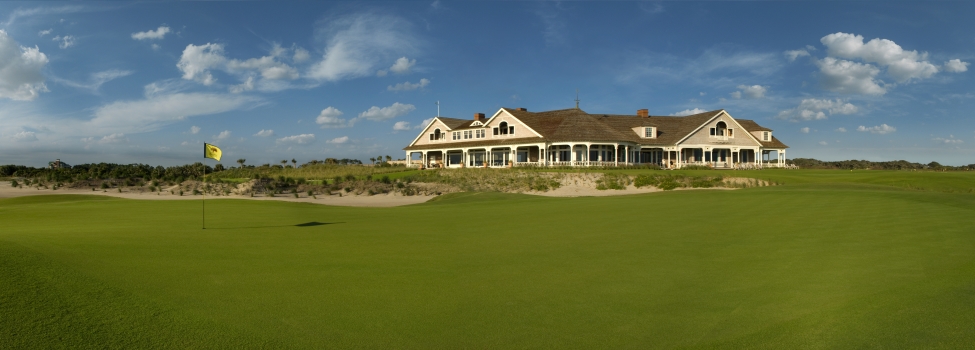
This day was dedicated entirely to the Ocean Course. Starting early to beat the midday heat, golfers faced the Pete Dye masterpiece. The day was a grueling but rewarding test of skill, ending with a celebratory drink at the clubhouse while overlooking the Atlantic.
Day 3: Variety and Exploration
To contrast the intensity of the previous day, the morning featured a round at Cougar Point or Osprey Point. These courses provided a more relaxed pace while still maintaining championship standards. The afternoon was reserved for a trip into historic Charleston to explore the city’s architecture and culture.
Day 4: The Final Round and Departure
The trip concluded with a final round at Oak Point or Turtle Point. This allowed golfers to experience a different architectural style before heading back to CHS airport for the flight home.
The Kiawah Island Golf Trip remained a gold standard for coastal golf. It combined the prestige of a world-ranked course with the serenity of a barrier island, proving that the Atlantic coast is just as formidable and beautiful as any other premier golf destination in the world.
Frequently Asked Questions
Which courses were available during a Kiawah Island Golf Trip?
The resort operated five courses: the Ocean Course, Osprey Point, Turtle Point, Oak Point, and Cougar Point.
What was the typical cost for a group trip to Kiawah Island in 2026?
A 3-night, 3-round group trip typically ranged from $1,500 to $3,500 per person, provided an Ocean Course round was included.
How did travelers typically reach the resort?
Travelers flew into Charleston International Airport (CHS), which was located approximately 45 minutes from Kiawah Island.
What major tournaments did the Ocean Course host?
The Ocean Course hosted the 1991 Ryder Cup Matches, the 1997 and 2003 World Cup of Golf, and the 2007 Senior PGA Championship.
Sources
For more information, see: