Gamble Sands – Washington’s Columbia Basin Links Adventure
Published November 6, 2026
Gamble Sands is a links-style resort located in Brewster, Washington, situated above the Columbia River. The resort featured the original David McLay Kidd course and the Scarecrow Course, which debuted on August 1, alongside various short courses and specialized lodging.
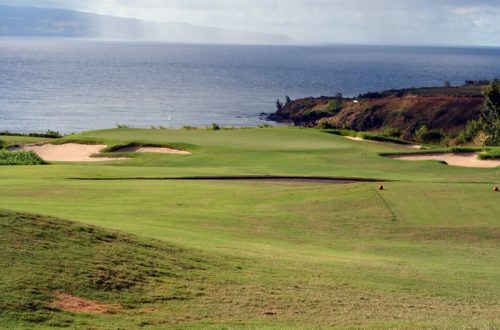
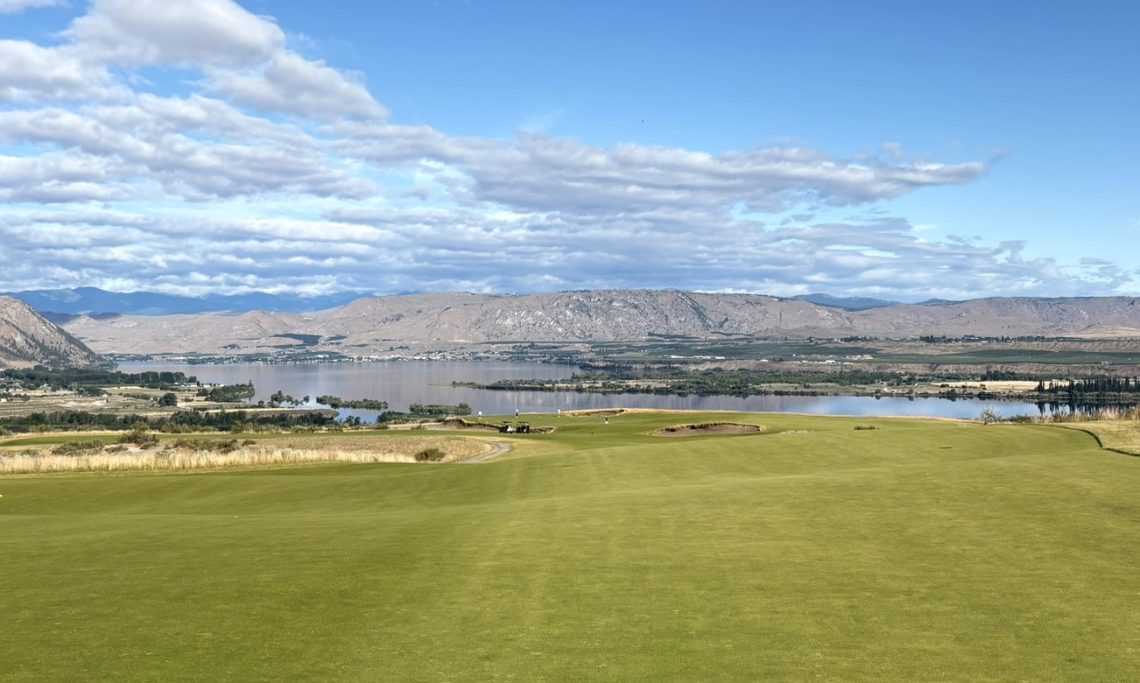
Imagine standing on a windswept plateau in the high desert of central Washington, where the golden hues of the landscape meet the deep blue of the Columbia River. Here, Gamble Sands successfully transplanted the soul of Scottish links golf into the American Northwest. The experience was defined by a raw, minimalist aesthetic that challenged golfers to embrace the elements and the unpredictability of the terrain.
The High Desert Links of Gamble Sands
Located in Brewster, Washington, the resort occupied a unique geographical niche. Perched above the Columbia River, the environment was characterized by arid air, sweeping vistas, and a sense of isolation that made the golf feel like an escape from the modern world. The atmosphere was one of rugged luxury, where the focus remained squarely on the game and the natural beauty of the basin.
The resort was designed to be more than just a place to play 18 holes; it was a full-immersion experience. From the moment visitors arrived in Brewster, the scale of the landscape served as a reminder of the wildness of the region. The integration of the courses into the existing sandy soil of the Columbia Basin allowed for a naturalistic feel that few other American courses could replicate.
The David McLay Kidd Course Experience
The original centerpiece of the resort was the David McLay Kidd course. This layout was built on the philosophy of minimalism, allowing the natural contours of the land to dictate the challenge. Rather than forcing a design onto the landscape, Kidd worked with the existing sandy terrain to create a course that felt as though it had always been there.
The design focused on strategic risk and reward, with wide fairways that belied the difficulty of the greens and the surrounding hazards. The course gained significant critical acclaim, with writers from GOLF.com characterizing it as a top-100 course in the country. The appeal lay in its purity; there were no artificial distractions, only the golfer, the wind, and the firm turf.
For those looking to improve their approach on such a challenging layout, applying a disciplined Course Management strategy was essential. The David McLay Kidd course punished reckless aggression but rewarded those who could navigate the wind and place their ball in the correct quadrants of the fairway.
The Debut of the Scarecrow Course
The resort expanded its offerings with the introduction of the Scarecrow Course, which had its official debut on August 1. This project was spearheaded by Nick Schaan of DMK Golf Design, continuing the legacy of the original Kidd design while introducing a new set of challenges to the property.
The Scarecrow Course maintained the links-style identity of the resort but offered a different perspective on the Columbia Basin. The collaboration between Schaan and the DMK team ensured that the new holes felt cohesive with the existing landscape. The debut of this course effectively turned the resort into a 36-hole destination, allowing visitors to spend multiple days on-site without repeating a single shot.
Playing the Gamble Sands Turf
One of the most defining characteristics of the experience was the turf. The resort utilized firm fescue turf, which was specifically chosen to mimic the conditions found in Scotland. This resulted in a playing surface that was fast and unforgiving, where the ball would run for significant distances upon landing.
The unpredictable bounces were a hallmark of the game here. A shot that looked perfectly placed could suddenly kick twenty yards offline or slide toward a bunker, forcing players to adjust their expectations and their shot shapes. This dynamic is similar to what one might find at other remote, high-end retreats like Silvies Valley Ranch in Oregon, where the environment dictates the style of play.
Navigating these conditions required a specific set of tools. While the resort provided a world-class environment, the equipment used by the players had to be up to the task. Whether using a precision-engineered set of irons or a specialized putter, the firm greens and tight lies of the fescue demanded a high level of consistency.
Beyond the Championship Holes
While the two championship courses were the primary draw, the resort offered a comprehensive golf ecosystem. The Quick Sands short course provided a way for golfers to sharpen their wedge game and enjoy a faster pace of play, while the Cascades putting course allowed for a more relaxed transition into the day’s rounds.
The hospitality aspect was equally thoughtful. The resort featured new golf cabins specifically designed for foursomes, acknowledging that golf is fundamentally a social sport. These cabins allowed groups to stay together, fostering the camaraderie that defines the best golf trips. The layout of the accommodations ensured that the transition from the 18th green to the lodge was seamless, maintaining the immersive nature of the stay.
Accessing the Columbia Basin
Reaching this remote corner of Washington required some planning, adding to the sense of adventure. For those traveling from within the region, the drive from Wenatchee took approximately 90 minutes, while those coming from Spokane faced a journey of about 2.5 hours.
Visitors from the coast typically flew into Seattle and embarked on a drive of more than three hours to reach Brewster. The transition from the lush greenery of Western Washington to the arid, golden landscape of the Columbia Basin was a visual journey that prepared golfers for the links experience awaiting them.
Visitor Logistics and Final Takeaways
The overall operations of the resort were managed by Troon Golf, ensuring a professional level of service and course maintenance. The management’s focus on the fescue turf and the minimalist design kept the resort in line with the highest standards of the industry.
In reviewing the available data for this retrospective, we could not verify specific green fee ranges or exact booking window details from public sources. These details often fluctuated based on the season and package options, but the value was generally seen in the totality of the experience — the lodging, the practice facilities, and the rare opportunity to play true links golf in the high desert.
As a team based in Oregon, we at JGolfs appreciate the way this resort pushed the boundaries of what is possible in the Pacific Northwest. It stood as a testament to the idea that great golf is not just about the grass, but about how the game interacts with the land. For any enthusiast who values the purity of the sport, the journey to Brewster was a pilgrimage worth making.
Frequently Asked Questions
Where is Gamble Sands located?
It is located in Brewster, Washington, in the high desert region above the Columbia River.
Who designed the courses at Gamble Sands?
The original course was designed by David McLay Kidd, and the Scarecrow Course project was spearheaded by Nick Schaan of DMK Golf Design.
What makes the turf at Gamble Sands unique?
The resort uses firm fescue turf that produces unpredictable bounces, creating a golfing experience similar to Scottish links.
What other facilities are available at the resort?
Beyond the 36 holes, the resort included the Quick Sands short course, the Cascades putting course, and golf cabins designed for foursomes.
Sources
For more information, see: