Australia’s Melbourne Sandbelt – Royal Melbourne and Beyond
Published October 30, 2026
The Melbourne Sandbelt is a collection of eight world-class golf clubs in Victoria, including Royal Melbourne and Kingston Heath. A retrospective journey through the region highlighted the challenges of firm turf and deceptive layouts that characterize these top-ranked courses.
There are few experiences in golf that rival the feeling of stepping onto a world-ranked course during the peak of the season. For many, the journey to Victoria, Australia, represents the ultimate pilgrimage. The allure of escaping a freezing Midwest winter to embrace the warmth of a Melbourne summer provided the perfect backdrop for a trip centered on the Melbourne Sandbelt, a region where the soil and the history of the game converge to create some of the most challenging tests in the sport.
The Crown Jewels: Royal Melbourne and Kingston Heath
The centerpiece of the journey was undoubtedly the West course at Royal Melbourne. Ranked as the No. 7 course in the world, it lived up to every bit of its prestige. The architecture is a masterclass in strategic design, demanding precision and rewarding a thoughtful approach. Following this with a round at Kingston Heath, ranked No. 22, offered a fascinating contrast in style and challenge.
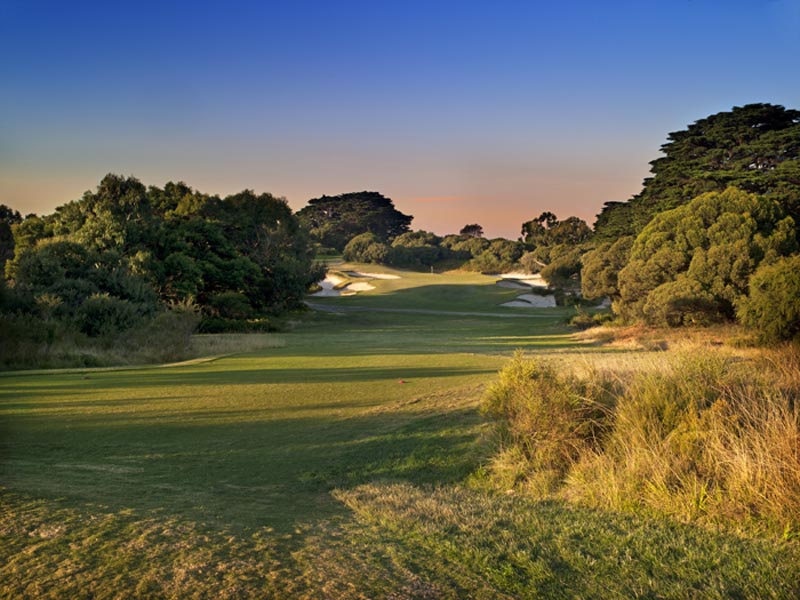
Kingston Heath presented a unique psychological battle. Unlike many championship venues that rely on dramatic elevation changes or water hazards, this course is exceptionally flat. There are no sweeping vistas or lakes to guide the eye. Instead, the challenge lies in the deceptive nature of the terrain. The flatness often conceals bunkers behind other bunkers, and the corners of the greens can appear larger or smaller than they actually are, leading to frustrating mistakes for those who trust their eyes over their yardage books.
Mastering the Firm Turf of Victoria
Playing the course at Victoria, ranked No. 96 in the world, served as a stark reminder of the importance of the ground game. The turf in this region is famously firm, meaning the ball moves significantly once it hits the ground. This environment renders the traditional aerial attack less effective and forces a golfer to think about angles and bounce.
Success on these fairways required a strict adherence to Course Management: Strategy to Lower Your Scores. Rather than hunting pins, the goal was to find the widest part of the green and allow the firm conditions to dictate the roll. This shift in mindset is essential when playing Sandbelt golf; fighting the terrain usually results in a higher score, while working with the natural contours leads to a much more enjoyable round.
Exploring the Full Melbourne Sandbelt Circuit
While the top-ranked venues grab the headlines, the broader circuit consists of eight clubs located in close proximity to one another. Beyond the big three, the region includes Metropolitan, Yarra Yarra, Commonwealth, Huntingdale, and Woodlands. Each of these venues carries immense historical weight, having hosted national championships or held a world top-100 ranking at various points in their history.
The consistency of quality across these clubs is staggering. Whether playing a championship-hosting giant or a more secluded club, the sandy soil provides a uniform level of drainage and firmness that is rare to find in such a concentrated area. This concentration of elite golf makes the region a primary destination for any serious enthusiast.
Beyond the Belt: The Mornington Peninsula
The exploration did not end within the Sandbelt. A drive of approximately one hour led to the Mornington Peninsula, which expanded the trip’s reach to include even more world-class options. The Moonah course at The National Golf Club and St Andrews Beach stood out as the highlights of this excursion.
These courses offered a different aesthetic and feel compared to the inland Sandbelt, blending the region’s signature firmness with the coastal influence of the peninsula. Including these stops brought the total number of world top-100 courses within easy reach to seven, cementing the area’s status as one of the densest pockets of elite golf on the planet.
Logistics and Travel Retrospective
From a logistics standpoint, the trip was remarkably efficient. Once in Melbourne, the accessibility of these courses is a major advantage, with many of the top-100 venues located within an hour’s drive or a short flight. This ease of movement allowed for a high volume of golf without the exhaustion typically associated with international travel.
The experience provided a sharp contrast to the remote, rugged nature of domestic retreats like Silvies Valley Ranch: Remote Oregon Golf Retreat. While the Oregon experience is about isolation and the wild beauty of the high desert, the Melbourne trip was about the refined, manicured prestige of historic club culture. As a site based in Oregon, we appreciate the diversity of these experiences, though we could not verify specific local lodging rates or current member-guest access requirements for the Sandbelt clubs from the provided research.
Sample Itinerary Recap
The journey followed a structured progression that balanced the intensity of the top-ranked courses with the beauty of the coast. The following breakdown reflects the flow of the trip:
- Day 1: Arrival in Melbourne and acclimation to the local time zone.
- Day 2: Round at Kingston Heath, focusing on navigating the flat, deceptive layout.
- Day 3: Round at Victoria, practicing the ground game and firm-turf strategies.
- Day 4: The pinnacle round at Royal Melbourne West.
- Day 5: Exploration of the wider Sandbelt circuit, including a visit to one of the national championship venues like Metropolitan or Commonwealth.
- Day 6: Excursion to the Mornington Peninsula for a round at The National Golf Club (Moonah course).
- Day 7: Final round at St Andrews Beach before departure.
In terms of budget, the trip sat in the premium tier due to the prestige of the clubs and the international travel costs. The dining atmosphere throughout the trip was characterized by the traditional club experience, featuring refined clubhouses and a strong emphasis on the social camaraderie of the game.
Frequently Asked Questions
Which courses make up the Melbourne Sandbelt?
The Sandbelt consists of eight clubs: Royal Melbourne West, Royal Melbourne East, Kingston Heath, Metropolitan, Victoria, Yarra Yarra, Commonwealth, Huntingdale, and Woodlands.
What are the playing conditions like at Kingston Heath?
Kingston Heath is known for extremely firm turf that encourages the ball to move along the ground, and a flat layout that can conceal bunkers and distort the perceived size of greens.
Are there other top-ranked courses near the Sandbelt?
Yes, the Mornington Peninsula, located an hour away by car, features top-100 courses such as St Andrews Beach and the Moonah course at The National Golf Club.
Sources
For more information, see: